The Car Ride Home: 3 Mistakes Parents Make After the Game
The 15 minutes after the final whistle matter more than you think. Here's what not to do — and what to do instead.
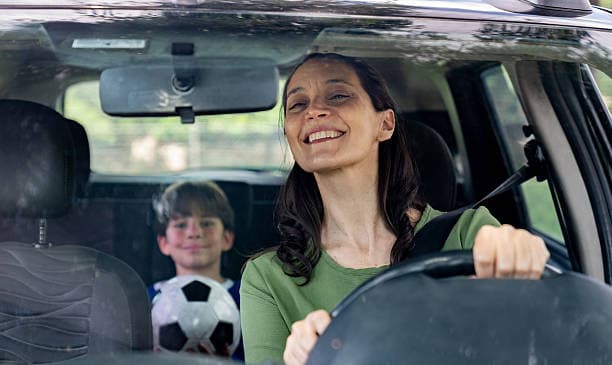
Your kid climbs into the back seat, shin pads half off, socks around their ankles, smelling like a combination of sunscreen and synthetic turf. You watched the whole game. You have thoughts. You probably have a lot of thoughts.
Here's the thing — the car ride home is one of those moments that seems like nothing but actually matters quite a bit. Get it right and your kid feels supported, wants to keep playing, and might even open up about how they're really going. Get it wrong and they start dreading the drive more than the game itself.
Three mistakes to avoid.
Jumping straight into the game
It's tempting. They've barely got the seatbelt on and you're already asking about that missed pass in the second half or why they didn't shoot when they had the chance.
But your kid has just spent the last hour in a high-energy, high-emotion environment. They might be buzzing. They might be flat. They might just need a minute to come down from it all.
Put the radio on. Let there be some quiet. If they want to talk about it, they will — and when they bring it up on their own terms, you'll get a much more honest conversation than if you lead with questions the second the door shuts.
The best thing you can say when they get in the car? Something like "good to watch you out there" — and then leave it. Let them fill the silence if they want to.
Slipping into coach mode
You're their parent, not their coach. Even if you actually are their coach — in the car, you're mum or dad.
That means the tone matters. A lot. If the first thing they hear after a tough game is a list of things they did wrong, delivered in a tone that sounds more like a post-match debrief than a family car ride, they'll stop wanting to talk to you about football altogether.
Keep it warm. Keep it supportive. They need to feel like the car is a safe space, not a second changing room. You're the person they come home to, not the person who reviews their performance.
There's a time and place for constructive feedback — and it's not the back seat of a Kluger on the Princes Highway at 11am on a Saturday.
Leading with the negatives
Every game has things that went well and things that didn't. That's football. But if you start the conversation with what went wrong, your kid hears one thing loud and clear: you noticed the bad stuff first.
Even if there were a hundred things that didn't work and only one that did — start with the one. "That pass you played in the first half was quality." "You worked really hard when they were pressing you." "I could see you were trying to find space — that was smart."
When you lead with something positive, you give your kid permission to relax. And when they relax, they'll often bring up the tough stuff themselves. "Yeah, but I should've passed earlier when I had the ball on the right." Now you're having a real conversation — one they started, on their terms.
That's worth more than any tactical observation you could offer from the sideline.
It's a 15-minute window that matters
The car ride home isn't just logistics. For a lot of junior footballers, it's the moment they decide whether football felt good today or not. Whether they want to come back next week. Whether they can talk to you about the hard stuff.
You don't have to say much. You just have to not say the wrong thing.
Radio on. Positive first. Parent, not coach. That's it.